The Benefits of Knowing what type of millet is the healthiest
Millets Types: Discovering the Different Varieties of Millets and Their Remarkable Health Benefits
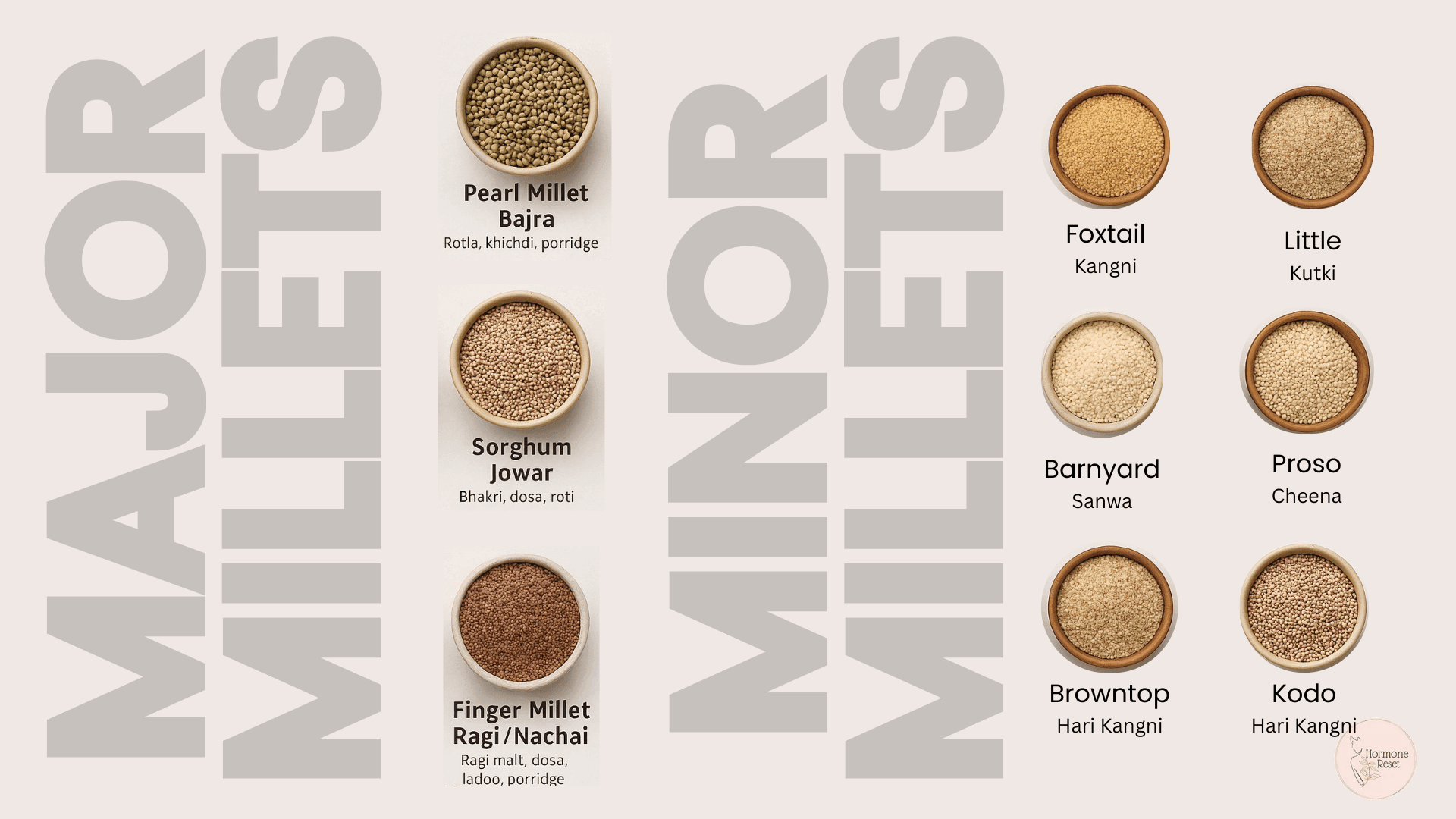
For centuries, millets have remained a cornerstone of traditional diets, appreciated for their resilience, adaptability, and rich nutritional composition. Today, as people increasingly seek natural and wholesome foods, interest in millets types has grown rapidly. Whether exploring how many types of millets are there or evaluating what type of millet is the healthiest, individuals are revisiting these ancient grains for their impressive health properties. This overview highlights the different types of millets and their nutritional values, supporting informed decisions about the best millets for health to suit your lifestyle.
1. Pearl Millet (Bajra)
Pearl millet remains among the most extensively grown grains across India and Africa. Packed with protein, fibre, iron, and magnesium, it ranks highly among the best millets for health. Known for supporting heart health and improving digestion, pearl millet also helps regulate blood sugar levels due to its low glycaemic index. Within the wide range of types of millets and their benefits, pearl millet is notable for enhancing stamina and supporting immune function.
2. Finger Millet (Ragi)
Ragi, or finger millet, is especially appreciated for its outstanding calcium levels. As a result, it significantly supports bone density, particularly in children and older adults. In addition, it provides essential amino acids and antioxidants that enhance general wellbeing. Among the health benefits of different millets, ragi is commonly praised for assisting weight regulation and enhancing haemoglobin counts.
3. Foxtail Millet
Foxtail millet contains abundant dietary fibre and complex carbohydrates, delivering steady energy throughout the day. Many individuals with diabetes favour it for its ability to regulate blood glucose effectively. Within the broader type of millets category, foxtail millet is appreciated for enhancing heart function and improving digestion.
4. Little Millet
Little millet may be small in size, but it offers substantial nutritional value. It contains B vitamins, iron, and healthy fats. Among the recognised types of millets and their benefits, little millet aids nerve function and assists in lowering cholesterol. Because of its flexibility, it works well in porridges, savoury dishes like upma, and as an alternative to rice.
5. Kodo Millet
High in fibre and antioxidants, kodo millet offers notable health advantages. It contributes to cleansing the body while improving intestinal health. Many nutritionists include kodo millet among the best millets for health because it helps manage weight and supports metabolic balance. When examining the different types of millets and their nutritional values, kodo millet ranks high for its ability to reduce inflammation.
6. Barnyard Millet
For those prioritising low-calorie and nutrient-packed foods, barnyard millet is an excellent option. With high iron and fibre content, it is commonly advised for individuals monitoring blood sugar levels. Within the discussion of what type of millet is the healthiest, barnyard millet frequently appears due to its low carbohydrate content and easy digestibility.
7. Proso Millet
A harmonious blend of protein and carbohydrates characterises proso millet. It supports muscle development and is naturally gluten-free, making it suitable for individuals with gluten sensitivity. With rising curiosity about how many types of millets are there, proso millet is gaining attention for supporting heart health and boosting vitality.
8. Sorghum (Jowar)
Though at times listed separately, sorghum is widely regarded as one of the key millets types. Rich in antioxidants, protein, and fibre, it offers broad nutritional support. It promotes digestive wellbeing and lowers oxidative stress. Of the many health benefits of different millets, jowar is particularly valued for heart support and steady energy provision.
Pseudo Millets: A Special Category
Apart from type of millets conventional varieties, pseudo millets including buckwheat and amaranth are commonly incorporated into diets. Although botanically distinct, they provide comparable nutritional advantages and are typically classified alongside millets. These grains are rich in protein and essential minerals, expanding the variety within the broader type of millets category.
How Many Types of Millets Are There?
Determining how many types of millets are there depends largely on the classification method used. Broadly, millets are divided into major millets and minor millets. The major group features pearl millet and sorghum, while the minor group covers finger, foxtail, little, kodo, barnyard, and proso millets. Including pseudo millets broadens the category further. Every variety presents distinct nutritional strengths, and reviewing types of millets with pictures supports easier identification during purchase and cooking.
What Type of Millet Is the Healthiest?
Deciding what type of millet is the healthiest ultimately depends on specific nutritional priorities. When focusing on bone health, finger millet excels thanks to its calcium richness. In managing diabetes, foxtail and barnyard millets are commonly recommended. For heart health and iron intake, pearl millet is highly beneficial. Rather than focusing on a single grain, incorporating a rotation of different types of millets and their nutritional values ensures a balanced nutrient intake.
Conclusion
These grains deliver a balanced mix of nutrition, eco-friendly cultivation, and versatility. From pearl and finger millet to less familiar grains such as kodo and proso, the spectrum of millets types caters to varied health requirements. Understanding the types of millets and their benefits empowers individuals to make informed dietary choices. Adding diverse millet varieties to regular meals ensures access to the broad health benefits of different millets while fostering sustainable, long-term health.